

 Esperanto
 Shqiptare
 Euskara
 Zulu
Zulu
 Latinus
 Cymraeg
 தமிழ்
தமிழ்
 Slovak
 Slovak
 Afrikaans
Esperanto
Shqiptare
Euskara
Zulu
Latinus
Cymraeg
தமிழ்
Slovak
Slovak
Afrikaans
Afrikaans
Esperanto
Shqiptare
Euskara
Zulu
Latinus
Cymraeg
தமிழ்
Slovak
Slovak
Afrikaans

The Ultimate Guide to Advanced PTFE Lined Carbon Steel Pipes
Release time:
2024-10-22
These PTFE lined carbon steel pipes are designed to meet the demanding requirements of various industries, including oil and gas, chemical processing, and water management
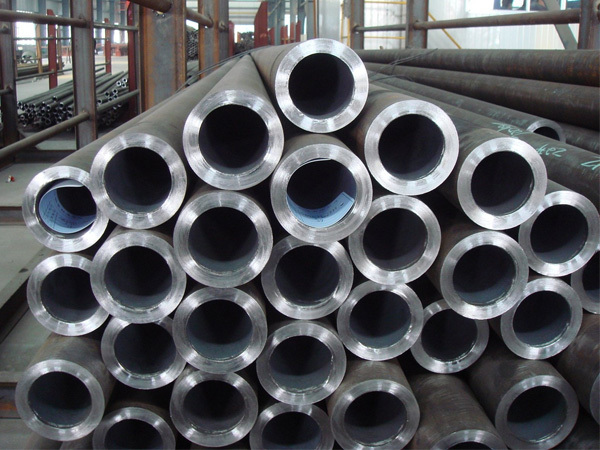
What is PTFE and Why is it Used?
Polytetrafluoroethylene (PTFE) is a synthetic fluoropolymer known for its remarkable chemical resistance, low friction, and high-temperature stability. PTFE is most commonly recognized by its brand name, Teflon. The primary reason for utilizing PTFE in line with carbon steel pipes lies in its unique properties:
- Chemical Resistance: PTFE exhibits exceptional resistance to acids, bases, and solvents, making it an ideal lining material for pipes used in chemical processes.
- Temperature Tolerance: With a melting point of around 327°C (620°F), PTFE can handle extreme temperatures, ensuring performance stability in various applications.
- Non-Stick Surface: The non-stick characteristics of PTFE prevent material build-up inside the pipes, enhancing flow efficiency and reducing maintenance requirements.
- Durability: When lined with PTFE, carbon steel pipes can withstand the rigors of industrial processes while reducing the risk of corrosion that often plagues bare steel piping.
Benefits of Using PTFE Lined Carbon Steel Pipes
The integration of PTFE lining with carbon steel pipes provides numerous advantages, particularly in harsh environments. Here are some prominent benefits:
Enhanced Longevity
By combining the strength of carbon steel with the protective qualities of PTFE, these pipes have a significantly longer lifespan than traditional steel pipes. The lining effectively shields the steel from corrosive substances, leading to fewer replacements and repairs over time.
Reduced Maintenance Costs
The non-stick properties of PTFE minimize the accumulation of materials, leading to fewer blockages and reduced need for cleaning. Consequently, maintenance costs are greatly lowered, allowing for better resource allocation.
Improved Flow Rates
The smooth interior surface of PTFE lined pipes promotes better flow rates, reducing pressure loss and enhancing overall system efficiency. This is especially critical in applications where maintaining consistent flow is paramount.
Versatile Application
PTFE lined carbon steel pipes can be used across a wide range of industries, from food processing to petrochemical industries, owing to their resistance to corrosion and high temperatures.
Applications of PTFE Lined Carbon Steel Pipes
The versatility of PTFE lined carbon steel pipes makes them suitable for various applications:
1. Chemical Processing
In the chemical industry, these pipes are widely employed for transporting aggressive chemicals and corrosive fluids. Their ability to withstand harsh conditions ensures safety and efficiency.
2. Oil and Gas
In oil and gas applications, PTFE-lined pipes are essential for transporting crude oil, natural gas, and other fluids that would otherwise corrode conventional piping systems.
3. Water Treatment
PTFE lined carbon steel pipes are used in water treatment facilities, ensuring that the pipes remain resistant to corrosion while transporting treated water or chemicals.
4. Food and Beverage
In food processing, hygiene is crucial. PTFE’s non-stick properties make these pipes ideal for transporting food products, reducing the risk of contamination.
5. Pharmaceutical Industry
In pharmaceuticals, the integrity and purity of the transported substances are vital. PTFE lined pipes ensure that no reaction occurs between the pipe material and the transported fluids.
The Manufacturing Process of PTFE Lined Carbon Steel Pipes
The production of PTFE lined carbon steel pipes involves several key steps to ensure seamless integration between the steel and the PTFE lining:
Step 1: Pipe Preparation
The carbon steel pipes are first manufactured to specified dimensions and undergo surface preparation, which includes cleaning and removing contaminants.
Step 2: PTFE Lining Application
PTFE is then applied to the inner surface of the steel pipe using various methods, including extruding, forming, or wrapping. This application creates a uniform lining that adheres to the steel surface.
Step 3: Curing Process
After the PTFE lining is applied, the pipe undergoes a curing process where it is subjected to high temperatures. This step ensures that the PTFE fully adheres to the steel and reaches its optimal properties.
Step 4: Quality Control
Finally, the lined pipes are subjected to rigorous testing to ensure they meet industry standards for pressure, temperature, and chemical resistance.
Maintenance and Care for PTFE Lined Pipes
While PTFE lined carbon steel pipes require less maintenance compared to traditional piping systems, some best practices can enhance their longevity:
Routine Inspections
Conduct regular visual inspections to identify any signs of wear or damage to the lined surface. Early detection can prevent costly repairs.
Flush and Clean
Periodically flush the pipes to remove any residual material that may adhere to the lining. This helps maintain optimal flow characteristics.
Temperature Monitoring
Ensure that the operating temperatures stay within the designated limits for PTFE to avoid compromising its integrity.
Environmental Considerations
If the pipes are exposed to environmental elements, consider protective measures to shield them from extreme conditions, ensuring continued performance.
Challenges and Limitations of PTFE Lined Pipes
Despite their numerous advantages, PTFE lined carbon steel pipes are not without challenges:
Cost Implications
The initial investment in PTFE lined pipes can be higher than conventional pipes. However, this should be weighed against long-term savings from reduced maintenance and longer lifespan.
Installation Complexity
The installation of PTFE lined pipes can be more complex than that of standard pipes, necessitating skilled labor and specialized equipment.
Temperature Limitations
While PTFE can withstand high temperatures, there are limits. Operating outside these limits can lead to degradation of the lining, compromising performance.
Future Trends in Steel Piping Technologies
The future of steel piping, especially with innovations like PTFE lining, is promising. Here are some trends to look out for:
1. Eco-Friendly Materials
As industries strive for sustainability, the development of eco-friendly lining materials will gain prominence, complementing PTFE’s properties.
2. Advanced Coatings
Research into advanced coatings that enhance the performance of PTFE lined pipes will continue, focusing on improving resistance to wear, abrasion, and chemical exposure.
3. Smart Piping Systems
The integration of IoT technologies into piping systems will allow for real-time monitoring of pipe conditions, leading to predictive maintenance and enhanced operational efficiency.
Conclusion
The integration of PTFE lined carbon steel pipes represents a significant advancement in piping technology. With their impressive durability, resistance to harsh chemicals, and reduced maintenance requirements, these pipes are revolutionizing various industries. As we move forward, the ongoing development of materials and technologies promises even greater enhancements that will further solidify the role of PTFE-lined pipes in modern engineering and construction projects.
LATEST NEWS
CONTACT US
Tel : +8618953921325
Email : lily@ruixingmetal.com
WhatsApp : +8618953921325
Add : Heilongjiang Road, Liaocheng City, Shandong Province, China


GET A FREE QUOTE
Liaocheng Development Zone Ruixing Steel Pipe Manufacturing Co., Ltd. Privacy Policy Taglist
SAF Coolest v1.3 设置面板 UYASS-ANVP-ASSWE-ZDS
无数据提示
Sorry,当前栏目暂无内容!
您可以查看其他栏目或返回 首页